High Protein Diet Guide

Gabriela D'Soares
Feb 28, 2026
Learn how a high protein diet boosts fat loss and muscle growth.
High Protein Diet Guide
If you want to build muscle, lose fat, and improve body composition, one nutrient matters more than the rest:
Protein.
Not carbs.
Not fats.
Not supplements.
Protein is the foundation of muscle growth, recovery, appetite control, and metabolic health.
Yet most people either underestimate how much they need — or overcomplicate how to get it.
This guide will show you exactly:
How much protein you actually need
Why high-protein diets work
How to structure your meals
The best protein sources
Common mistakes to avoid
Let’s break it down.
Why Protein Matters So Much
Protein is made up of amino acids — the building blocks of muscle tissue.
When you train, you create microscopic muscle damage.
Protein repairs and rebuilds that tissue stronger than before.
But that’s not all.
A high-protein diet also:
Increases muscle protein synthesis
Reduces muscle loss during fat loss
Improves satiety (you feel fuller longer)
Slightly increases calorie burn through digestion
That last point is underrated.
Protein has a higher thermic effect than carbs or fats — meaning your body burns more calories digesting it.
How Much Protein Do You Need?
The optimal intake depends on your goal and bodyweight.
For most active individuals:
0.7–1 gram per pound of bodyweight per day
(or 1.6–2.2g per kg)
Examples:
150 lb person → 105–150g daily
180 lb person → 125–180g daily
If your goal is fat loss, staying near the higher end helps preserve muscle.
If your goal is muscle gain, moderate-to-high intake supports recovery and growth.
More than this rarely provides additional benefit — and isn’t necessary.
High Protein for Muscle Growth
Muscle growth depends on two key factors:
Progressive overload
Positive muscle protein balance
Protein increases muscle protein synthesis (MPS). But here’s what many miss:
Your body can only use so much protein per meal for muscle building.
Research suggests around:
20–40g of high-quality protein per meal maximally stimulates MPS.
That means distribution matters.
Instead of:
150g protein in 2 meals
Do:
30–40g protein across 4–5 meals
Spreading intake improves muscle-building efficiency.
High Protein for Fat Loss
If you’re dieting, protein becomes even more important.
In a calorie deficit, your body risks losing muscle along with fat.
Higher protein intake helps:
Preserve lean mass
Reduce hunger
Improve diet adherence
Maintain strength
Many successful fat-loss diets share one trait: adequate protein.
Without it, weight loss often becomes muscle loss.
Best High-Protein Foods
Not all protein sources are equal.
High-quality proteins contain all essential amino acids.
Animal-Based Sources
Chicken breast
Lean beef
Turkey
Eggs
Greek yogurt
Cottage cheese
Fish (salmon, tuna, cod)
These are complete proteins with excellent bioavailability.
Plant-Based Sources
Lentils
Chickpeas
Tofu
Tempeh
Quinoa
Edamame
Plant proteins can be effective but may require higher total intake or combining sources to ensure complete amino acid profiles.
Sample High Protein Day (Muscle Gain)
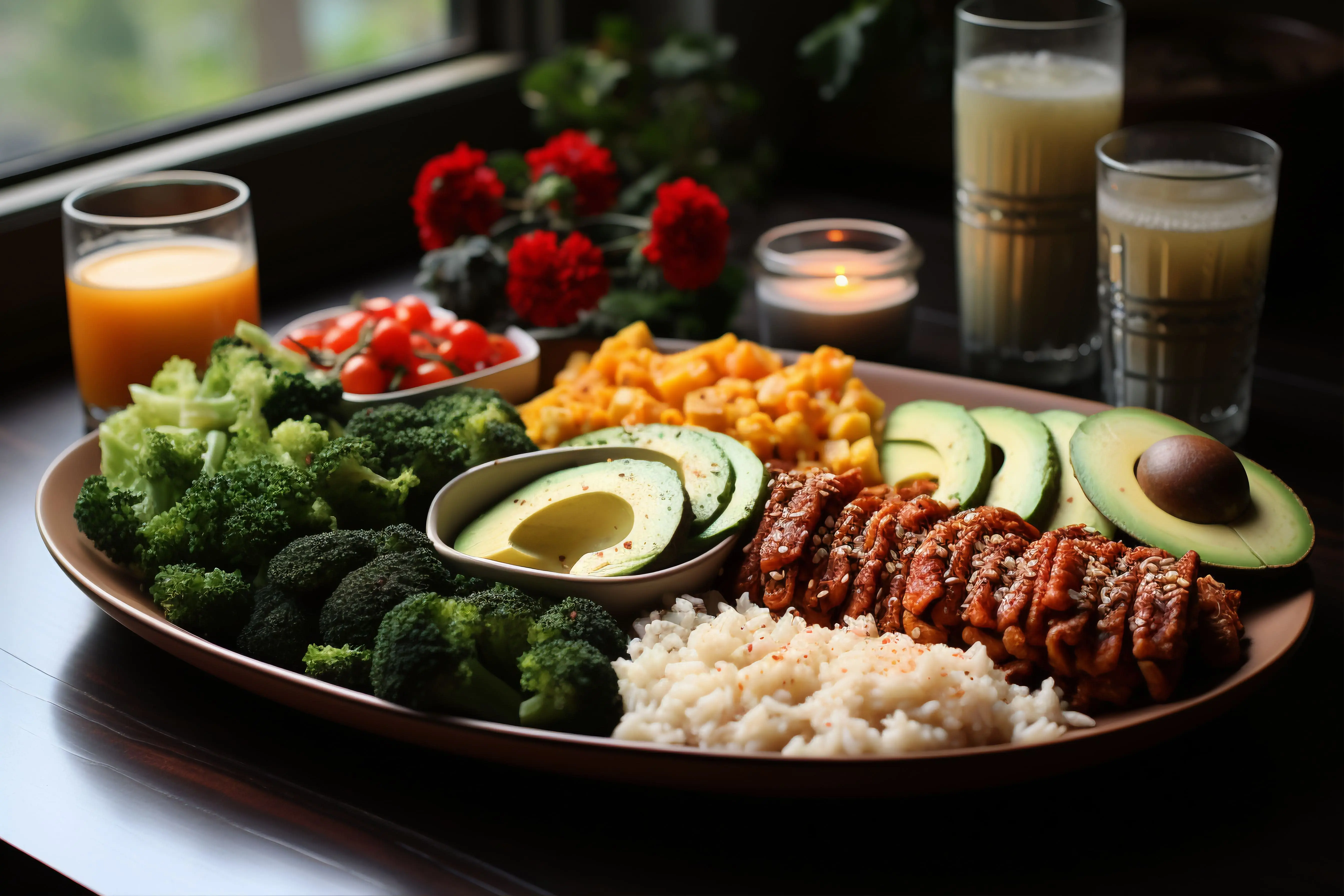
Here’s what ~160g protein might look like:
Breakfast
Greek yogurt + whey + berries (40g)
Lunch
Chicken breast + rice + vegetables (45g)
Snack
Protein shake + almonds (30g)
Dinner
Lean beef + potatoes + salad (40g)
Before Bed (optional)
Cottage cheese (20g)
Simple. Structured. Effective.
Common High Protein Mistakes
1. Thinking More Is Always Better
Eating 250g protein when you weigh 160 lbs won’t double muscle growth.
Excess protein either gets used as energy or stored.
Stay within the optimal range.
2. Ignoring Total Calories
Protein doesn’t override calorie balance.
You can eat high protein and still:
Gain fat (if in surplus)
Fail to lose fat (if not in deficit)
Calories still matter.
3. Poor Protein Distribution
Eating 10g at breakfast and 90g at dinner isn’t ideal.
Muscle protein synthesis works best with even distribution.
4. Relying Only on Supplements
Protein powder is convenient — not magical.
Whole foods provide:
Micronutrients
Fiber
Greater satiety
Use supplements to fill gaps, not replace meals.
Is a High Protein Diet Safe?
For healthy individuals, high-protein diets are safe.
There’s a persistent myth that high protein damages kidneys.
In healthy people, research does not support this claim.
However, individuals with pre-existing kidney conditions should consult a medical professional.
For most gym-goers, higher protein intake is not only safe — it’s beneficial.
How to Increase Protein Easily
If you're struggling to hit your target:
Add egg whites to meals
Choose Greek yogurt instead of regular yogurt
Replace snacks with protein-based options
Use protein powder strategically
Prioritize protein first when building your plate
Small changes compound quickly.
High Protein and Body Composition
Here’s what makes protein powerful:
It helps you look leaner even at the same bodyweight.
Why?
Because preserving or building muscle while reducing fat changes how your body stores and displays mass.
Two people can weigh the same — but the one eating sufficient protein and training properly will look dramatically different.
The Ideal High Protein Framework
To simplify everything:
Eat 0.7–1g protein per lb bodyweight
Spread intake across 3–5 meals
Combine strength training with progressive overload
Adjust calories based on your goal
That’s the formula.
No extreme dieting.
No unnecessary restriction.
No magic hacks.
Final Thoughts
Here's a video that can help you in this jorney:
A high-protein diet isn’t a trend.
It’s a fundamental principle of body composition.
If you train consistently but ignore protein, progress slows.
If you diet without enough protein, muscle disappears.
But when protein intake matches your training:
Recovery improves.
Hunger decreases.
Strength increases.
Physique transforms.
Start by calculating your target today.
Then structure your meals around it.
Simple habits.
Strategic execution.
Compounding results.
If you'd like, I can now create:
A fat loss meal plan
A muscle gain nutrition blueprint
Or the next FitBlog article
What should we publish next?